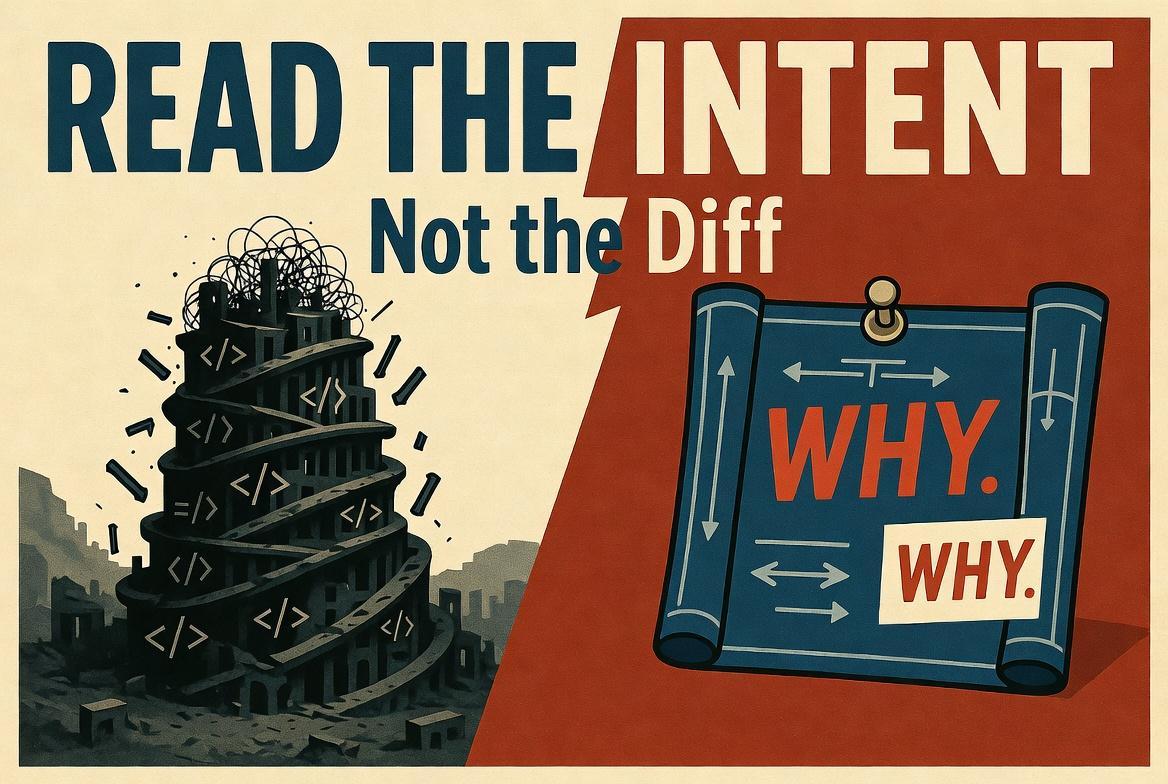
When choosing an AI coding tool, most developers first look at the LLM's capability — how smart the model is, how accurately it generates code. That's certainly a valid consideration.
But as you use these tools in real projects, what starts to matter more is everything around the model. This, we believe, is exactly why Claude Code has gained traction despite arriving later than its competitors.
What Is a "Harness" in AI Coding?
A harness is the container that allows an LLM's capabilities to be applied safely and effectively.
An LLM is a powerful reasoning engine, but on its own, it cannot edit files, run tests, or navigate a project structure. File I/O, grep-based search, terminal command execution, guardrails for changes — these tool layers wrap around the LLM and turn it into a functioning coding agent.
Cursor and Windsurf pioneered this space, integrating LLMs into the IDE and creating the experience of using AI inside an editor. Claude Code came later. Yet many developers have adopted it — and the reason lies in differences in harness design.
What Makes Claude Code's Harness Stand Out
We see two main reasons developers are choosing Claude Code.
A large user base means a deep pool of shared knowledge
With a substantial number of users, best practices and troubleshooting insights accumulate rapidly in the community. Even something as specific as how to write an effective CLAUDE.md benefits from a wealth of collective experience.
Hooks and CLI execution enable high customizability
This is what we see as the most significant differentiator. Claude Code's Hooks let you inject user-defined processes at various points in the agent's lifecycle — before and after tool calls, at session start, and more. You can trigger shell scripts and commands at precisely the right moments.
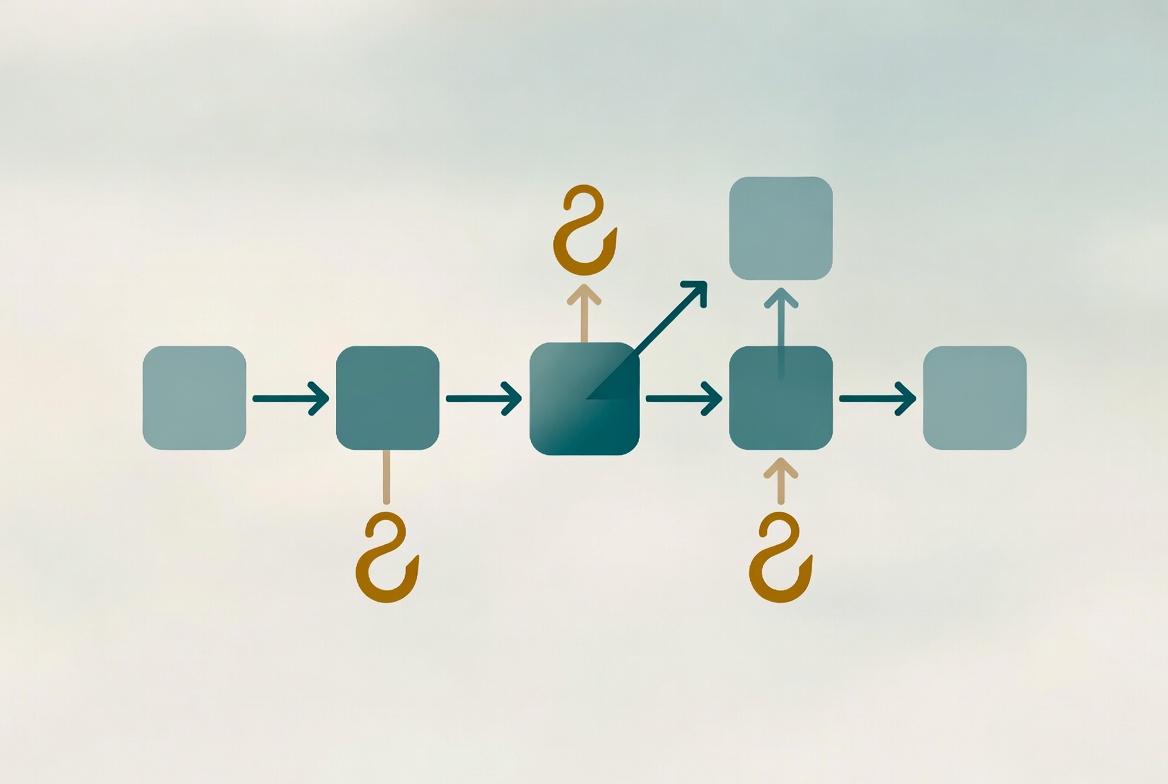
This mechanism transforms Claude Code from an "AI coding tool" into a platform you can shape around your workflow. Auto-run linters, insert pre-commit checks, integrate external tools — whatever your development process requires, you can weave it naturally into the agent's behavior.
sqlew Leverages Hooks for Automation
Our tool sqlew takes advantage of this Hooks mechanism.
sqlew is an MCP tool that provides persistent "memory" to AI agents. Combined with Claude Code's Hooks, it automatically integrates the recording and retrieval of design decisions into your development flow. Each time the agent completes a task, it records design rationale; at the next session, it automatically references that context — all without the developer needing to think about it.
That said, because sqlew is designed as an MCP tool, it works beyond Claude Code as well. AI coding systems like OpenAI Codex can use sqlew through MCP for manual recording and retrieval of design decisions. We are also currently exploring native Codex integration.
The reason Claude Code is chosen isn't about how smart the LLM is — it's about how well the tool fits a developer's hands. The choice of harness significantly shapes the quality of your AI coding experience. Looking at tools through this lens might reveal a rather different landscape.