More developers are using Claude Code's Plan Mode as part of their daily workflow. The "plan first, implement second" approach is becoming an established practice in AI-assisted development.
And yet, you may still find yourself looking at the implementation result after approving a plan and thinking, "That's not quite what I had in mind." The plan looked reasonable enough, but the resulting code doesn't align with the design intent. If you're using Plan Mode, why isn't the output more accurate?
One common reason: you're approving the AI's first proposal as-is.
A Plan Is a Starting Point, Not a Finished Product
The plan an AI generates is an initial proposal. It doesn't have full visibility into your project-specific constraints, implicit design conventions, or historical context. In practice, the first plan is almost never the optimal solution.
But as you go through rounds of review with the AI, there inevitably comes a point where you feel, "This is probably good enough." When the AI presents a well-structured plan in polished prose, it's all the more convincing. This is a perfectly natural reaction. In human terms, though, it's close to rubber-stamping the first draft in a design review. When problems emerge downstream, it's a matter of plan maturity — not a failure of the developer's judgment.
Refine It Until You're Convinced
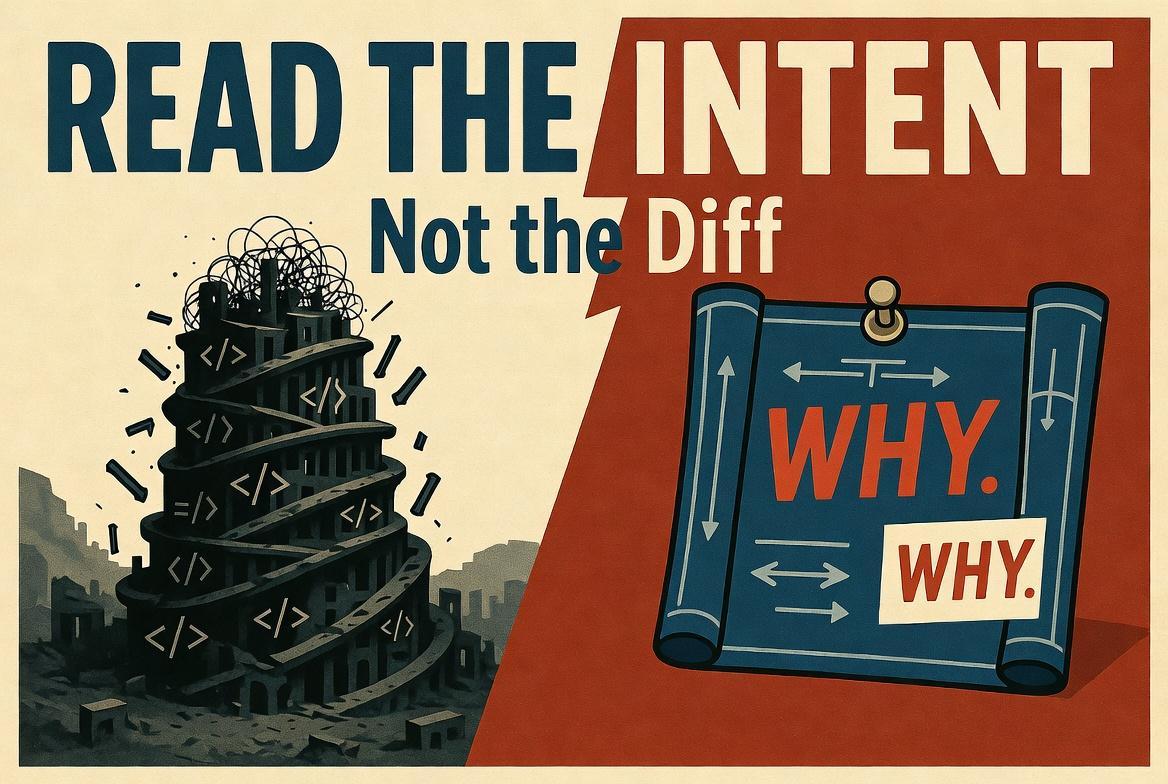
The approach to improving Plan Mode accuracy is actually straightforward. Keep requesting revisions until you're genuinely satisfied with the proposal. That's it.
"The error handling strategy is missing — add it." "This part should go through the existing Repository class." "Make the test granularity finer." Stack feedback one point at a time. With each round, the AI revises the plan and the design resolution sharpens.
The key shift is to treat this not as tedious overhead, but as the design review itself.
The back-and-forth in Plan Mode is, in effect, a design review with the AI. With every piece of feedback, the AI absorbs more context and returns proposals that better account for your project's constraints. Going two or three rounds instead of one produces a noticeably different quality of plan.
A plan that has gone through this process becomes, from the AI's perspective, a "thoroughly agreed-upon design direction." Less drift during implementation is the natural consequence of higher plan quality.
Turn Your Refined Designs Into Lasting Assets
Design decisions carefully refined in Plan Mode — yet the moment the session ends, that context is gone. The next session starts from scratch, and you find yourself re-explaining the same rationale and re-having the same discussions. The more carefully you craft your plans, the more acutely you feel this pain.
sqlew offers one answer to this problem. It integrates with Claude Code's Plan Mode and automatically captures design decisions from approved plans as ADRs (Architecture Decision Records). The "why" behind your carefully refined designs persists across sessions.
sqlew is an Apache-licensed open-source tool that requires zero configuration — you can start using it right away.
A plan isn't something you approve on the first pass — it's a space for refining your design through dialogue. And the result of that refinement shouldn't evaporate; it should accumulate as a project asset. Keeping these two principles in mind is what unlocks the real power of Plan Mode.