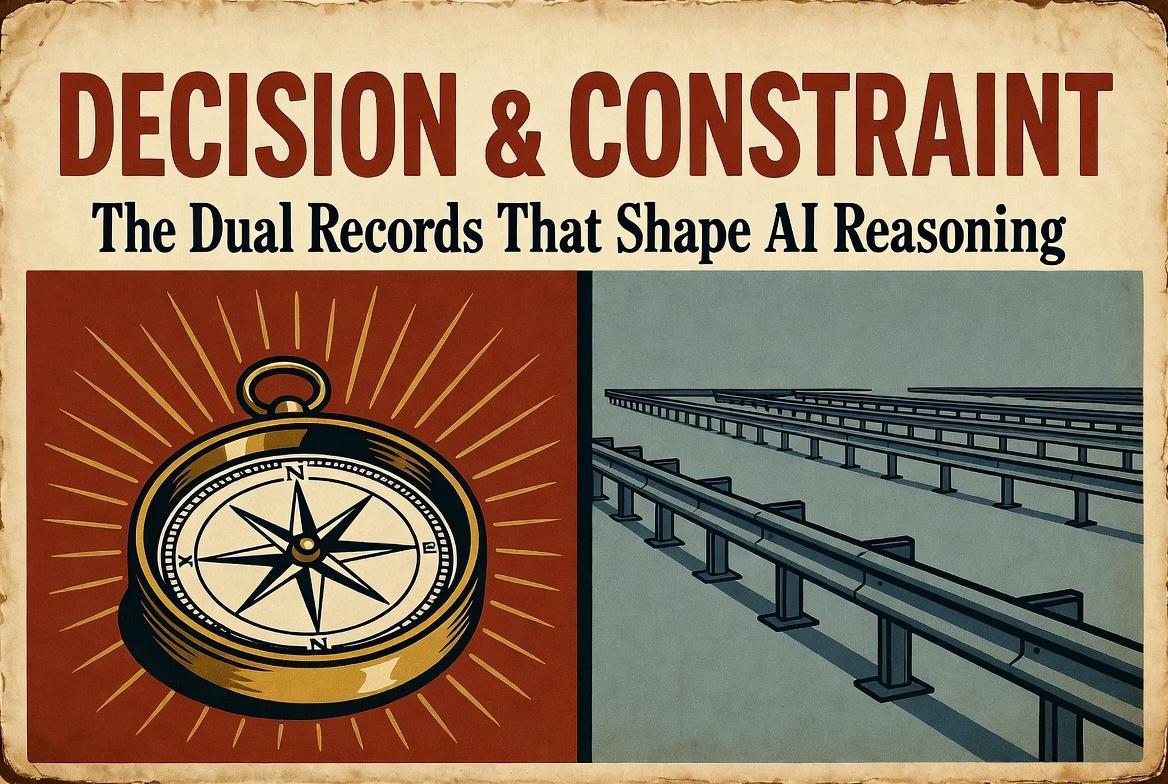
Software development history has its share of practices that were "right, but never caught on." ADR (Architecture Decision Record) may well be one of them.
A Documentation Practice Born Alongside Agile
ADRs became widely known through a 2011 blog post by Michael Nygard. In agile development — where teams iterate rapidly through sprints — the reasoning behind design decisions was being lost. ADRs were proposed as a lightweight solution.
The approach is straightforward: add Markdown files like ADR-001.md sequentially in a docs/adr directory. Each file captures three elements: Context, Decision, and Consequences. Lightweight, version-controllable, and easy to start. Thoughtworks classified ADRs as "Adopt" in their 2018 Technology Radar, giving them a brief moment in the spotlight. But in practice, they rarely stuck.
The reason was simple: humans couldn't keep up with the documentation. Sprint velocity outpaced manual record-keeping. Entries were forgotten, content went stale, and eventually no one referenced them. ADRs were quietly shelved as "ideal in theory, too heavy in practice."
A Familiar Problem in AI Coding
Here's where it gets interesting: the problems AI coding faces today are strikingly similar to what ADRs were designed to solve.
AI agents lose context across sessions. They start a new session unaware of design decisions made in the last one, writing code with a completely different approach. The same problem human teams had — "the rationale behind decisions isn't being shared" — is now playing out in human-AI collaboration.
And here's the twist: the very reason ADRs failed — "humans can't keep writing documentation" — can now be resolved by AI. If the AI agent itself records and updates design decisions, the human bottleneck disappears.
But Markdown Alone Isn't Enough
AI authoring ADRs addresses the maintenance problem. However, the traditional Markdown file approach has its own limitations.
As dozens of files accumulate under docs/adr, finding the right ADR at the right moment becomes difficult. Loading all files into the context window inflates token consumption and can degrade LLM reasoning quality. ADRs were "ahead of their time" for humans — and now there's an opportunity to redesign them in an AI-native way.
In the next article, we'll introduce how sqlew approaches this challenge.

References
- "Documenting Architecture Decisions" — Michael Nygard (2011) — https://cognitect.com/blog/2011/11/15/documenting-architecture-decisions
- "Using architectural decision records to streamline technical decision-making for a software development project" — AWS Prescriptive Guidance (2022) — https://docs.aws.amazon.com/prescriptive-guidance/latest/architectural-decision-records/welcome.html